Lino-EtchArray
£195.00
Concession rate available – please contact the studio
1st & 2nd August
10am – 4pm
6 in stock
Description
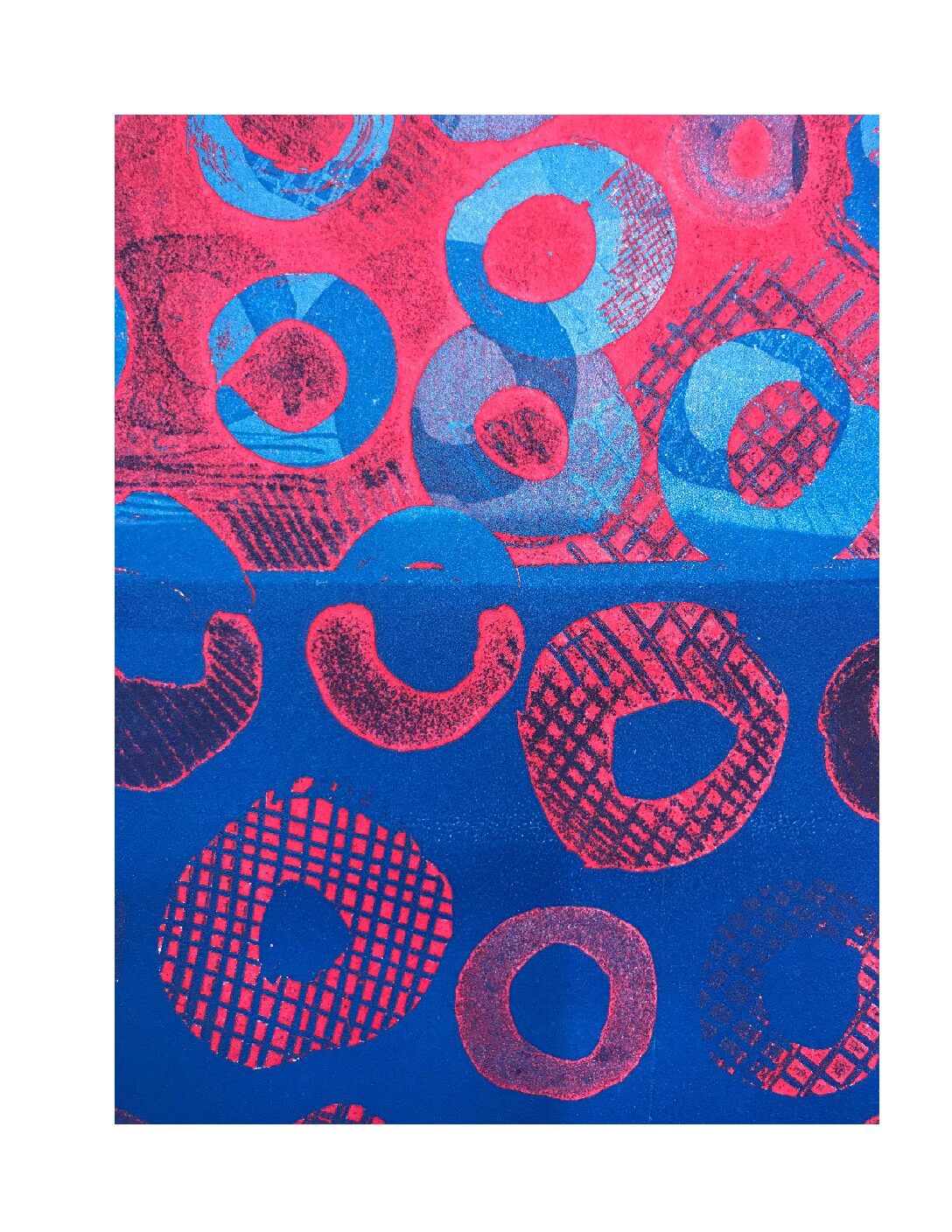
With the Lino Etch process we can create painterly, gestural marks, extending the mark making possibilities of working with Lino by introducing etching processes.
The surface of the Lino is etched with a solution or paste of the readily available household cleaning solution, Caustic soda, to create versatile, layered plates which can be inked up in Intaglio or Relief or a combination of both approaches.
We use a variety of grounds and stop outs, to protect the surface of the lino. Grounds can be painted directly onto the lino or applied in a flat layer and scraped back reductively. The lino plates can be suspended in a solution of caustic soda or a paste can be applied directly to individual areas. Stencils can be created using sticky vinyl to create tonal depth and layered marks within marks.
We will then experiment with inking up techniques for the plates we have made looking at combinations of Relief and Intaglio processes. Beginning with simple scrim and tissue wiping, going through À la poupée inking and wiping (where we ink up with multiple colours on the same plate) and working with relief roll.
On this two day course the first day will focus on plate making and the second on proofing and developing the images enabling the creation of richly layered prints.
Some experience is required to attend this class – please contact the studio for more details.